
Okay, so check this out—I’ve been bouncing between mobile apps and browser extensions for Solana for a couple years now. Wow! The experience is wildly different depending on the extension you choose and the way you set it up. At first glance things seem simple: install, connect, go trade or mint. Initially I thought the extension was just a convenience layer, but then I realized it shapes how you interact with the entire dApp ecosystem and sometimes even how secure your tokens feel. Hmm… that subtle friction matters more than I expected.
Really? Yes. Small UI choices, popup timing, and permission phrasing nudge you toward habits that can either protect or expose you. One short bad flow can cost a beginner a lot. My instinct said pay attention to UX and permission granularity—because somethin’ about clicking “approve” feels like trusting a stranger with your front door key. On the other hand, sometimes the polished UX leads to complacency, which is its own danger.
I’ve installed a handful of Solana extensions across Chrome and Brave. Whoa! Some are fast. Some are clunky. A few ask for too many permissions. Here’s the thing. Extensions live in a weird middle ground: they’re more convenient than a cold wallet, but they carry more exposure than an on-device mobile app. So your choice is a trade-off. You gain speed and dApp compatibility, and you must accept a larger attack surface if you don’t harden your setup.
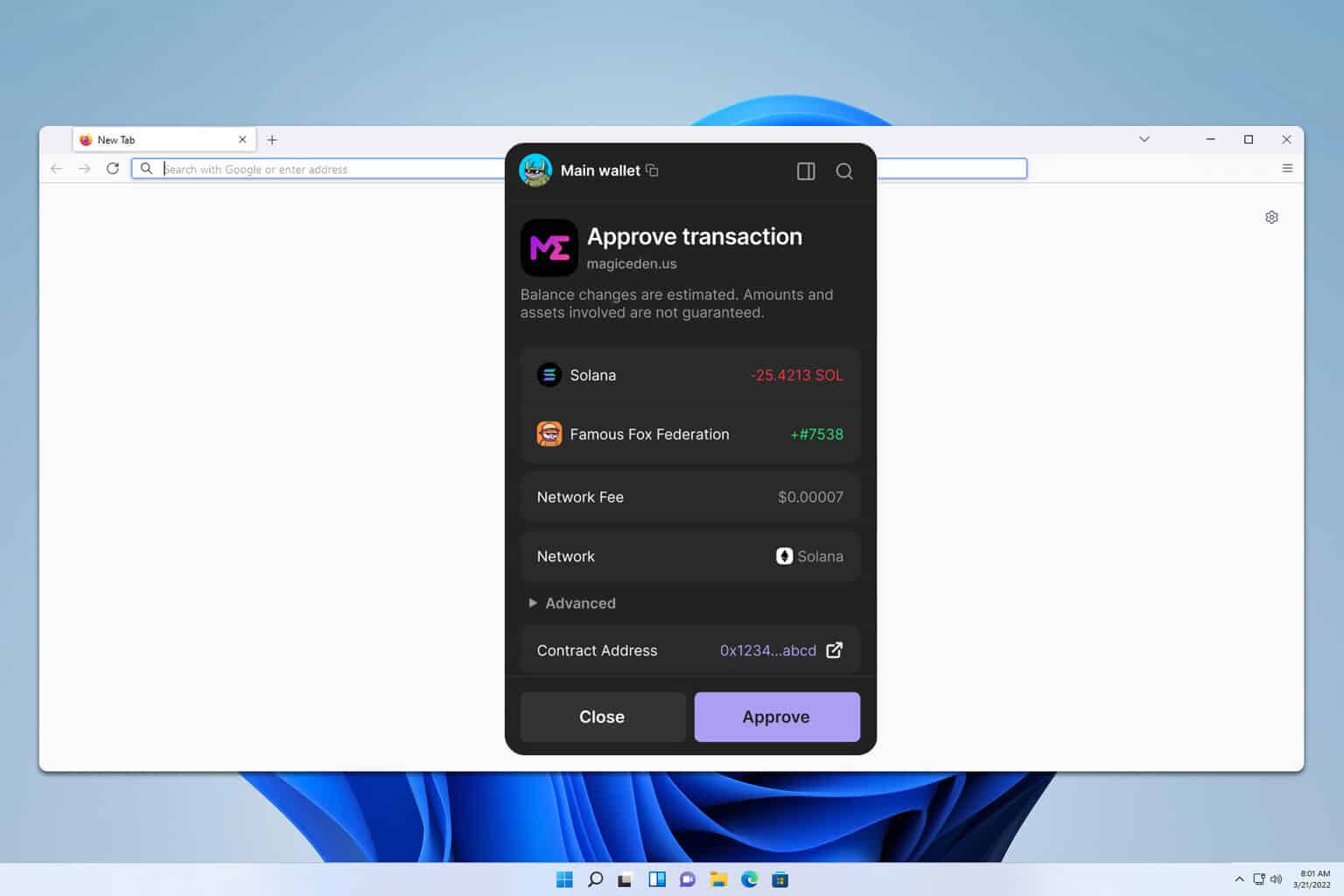
Choosing an Extension: Practical, not theoretical
I’ll be honest—I prefer extensions that get out of my way while being explicit about what they do. Seriously? Yes. A clean transaction preview, clear origin labeling, and easy ability to lock the wallet are table stakes for me. I started using a particular extension after a friend recommended it and after I checked the codebase and release cadence. There was an “aha” moment when I realized frequent updates usually mean active maintenance, and that matters more than splashy marketing or influencer hype.
I also recommend trying a lightweight extension in a separate browser profile first. My workflow is simple: create a new profile, install the extension, fund a small test address, then interact with a low-value dApp. On one hand this sounds extra. On the other, it saved me from a misconfiguration that would have had me chasing a problem for hours. It’s human to want to dive straight in. Though actually—slow testing builds muscle memory for spotting weird requests later.
For people who want a straightforward place to start, consider the phantom wallet as an option that balances usability and Solana-native features. I like that it integrates cleanly with most Solana dApps and that the install flow is familiar. A quick heads-up: use the link provided by the official source and verify the extension ID when possible. (Oh, and by the way—always double-check which account is selected before signing.)
How I Harden My Extension Setup
Lock screens are non-negotiable. Unlocking with a password for each browser session reduces the window an attacker has if your machine is compromised. Another tip: keep one extension for daily interactions and a separate, freshly initialized extension for larger holdings—yes, a little overkill, but it helped me sleep better. Initially I thought one wallet per browser was enough, but then I lost access for a day and realized segregating accounts limits exposure.
Extensions should be paired with OS hygiene: use a password manager, enable disk encryption, and run updates frequently. My instinct said two-factor everywhere, though with browser extensions the 2FA story is complex because signing is in-wallet. Still, cover your exchange logins and email with strong 2FA—those are common pivots for attackers. Something else that bugs me is how many people paste seed phrases into random notepads. Don’t do that. Ever ever.
And backups: write your seed on paper or a metal plate, store it in separate physical locations, and consider a redundancy plan if you move. Yeah, it’s low-tech. It works. Technology fails, humidity and fire are real, and digital backups on cloud drives are a liability if someone gets phished into granting access.
Common Pitfalls and How I Avoid Them
Phishing is the classic vector. Browser popups that mimic wallet approval dialogs are clever. So I built a tiny checklist I run through before approving anything: who’s asking, is the origin right, do I recognize the contract, and is the amount sensible? These checks are quick but powerful. Initially I thought I could eyeball malicious requests, but after a clever phishing attempt tricked a colleague I reworked my checklist and shared it with friends.
Another trap is over-granting permissions to dApps. Some dApps ask for blanket approvals to spend tokens or access all accounts. Nope. Grant narrowly or use temporary test accounts. I keep a small hot account with minimal funds for interactive stuff and a cold account for long-term holdings. On one occasion I approved a wide allowance and had to revoke it later—very very annoying to reverse and stressful.
Performance quirks also matter. Extensions that hog CPU or memory make me close tabs and skip security steps, which ironically raises risk because I rush. So pick an extension that’s well-optimized and doesn’t add bloat. Again, practical choices—speed, clarity, and steady updates—win out for me every time.
FAQ
What if I lose my seed phrase?
Oh man—if you lose it, there’s no standard recovery. Your best bet is any backups you made. That’s why I emphasize physical storage and redundancy. If you didn’t back up, start practicing safe habits now for next time.
Should I use multiple browser profiles for wallets?
Yes. Multiple profiles isolate extensions and reduce cross-site risks. I run a main profile for daily use and a separate profile for testing new dApps. It feels a bit extra, but it saved me from a messy situation when a site started acting weird.
Which extension should I install first?
Start with a widely used, actively maintained extension and verify the source before installing. If you want a practical starting point that balances usability with Solana-native features, try the phantom wallet. Keep it minimal at first—fund a test account and get comfortable with the flows before moving significant assets.