
Whoa, this moved fast. I installed a Solana wallet extension last week to test it. First impressions were messy but promising in different ways. Initially I thought it would be just another Chrome add-on, but then deeper use revealed UX choices and security trade-offs that surprised me. Something felt off about the permissions prompt at first glance.
Seriously, here’s the thing. Phantom is slick and fast, and it glides through Solana dapps. But that slickness hides choices developers made to simplify onboarding, and there’s somethin’ about that trade-off. On one hand, streamlining the UI reduces friction for new users which is crucial to DeFi adoption, though on the other hand those same simplifications can obscure advanced controls and subtle security indicators that more experienced users rely on to feel safe during large transfers. I’ll be honest: that part bugs me when I manage big holdings.
Hmm, not perfect. When I first set up the wallet I tripped over seed phrase wording. The backup flow is helpful, but the phrasing could mislead some users. Actually, wait—let me rephrase that: the recovery instructions aim to be simple for mainstream audiences, and in doing so they sometimes skip nuance that crypto natives expect, which creates tension between accessibility and technical clarity. My instinct said the product team prioritized fast activation over granular consent.
Wow, check this out— I dropped a small test transfer and watched the transaction finalize in under a second. Speed on Solana remains a real advantage for everyday use and repeated trades. Though network speed is only half the story, because wallet UX, transaction simulation, and signed message clarity significantly influence whether people actually trust the flow enough to interact with DeFi primitives like staking, swaps, or lending protocols. The wallet felt intuitive during swaps but less transparent when connecting to unknown dapps.
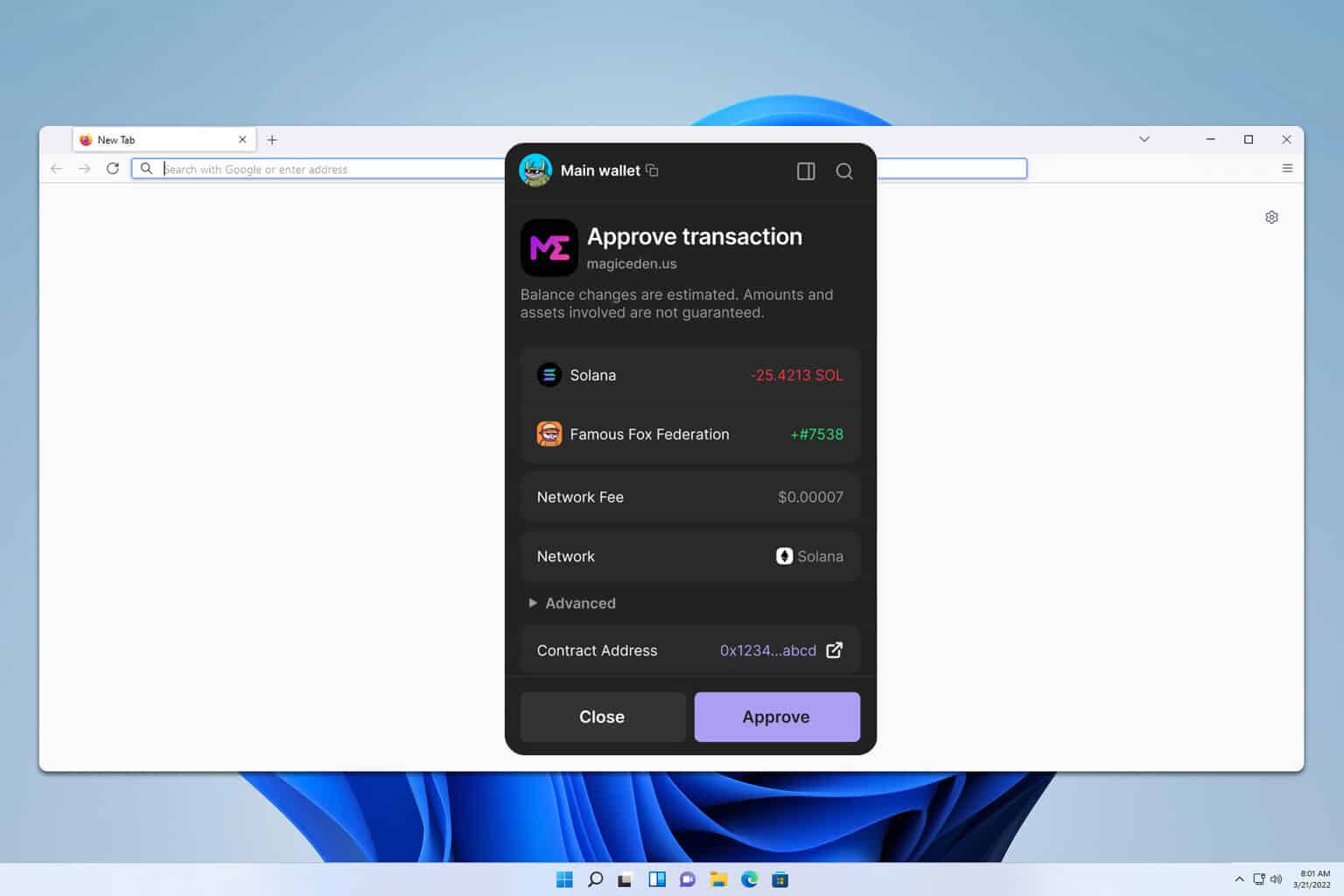
Why I Suggest Trying phantom (and what to expect)
Really? You bet. If you’re exploring the Solana ecosystem, a friendly extension matters. I’ve recommended phantom to friends who wanted a lightweight DeFi wallet. Onboarding someone unfamiliar with crypto, walking them through token swaps, and watching them set up a hardware key later to secure larger balances shows why starting with something approachable is important, even if it means teaching them more about permission granularity later. But do not confuse approachable design with being foolproof in every adversarial scenario.
Here’s the thing. Hardware wallet integration makes a big difference for custody risk. Phantom supports Ledger and allows an extra layer of signing which I used frequently. Initially I thought browser extension wallets without a hardware layer were fine for small experimental funds, but then after a simulation of a compromised machine it became clear that isolating private keys off the host is essential for anything beyond pocket change. On that note, consider a multisig setup for any higher value accounts that you can’t afford to lose.
Something felt off. Phishing remains the top user threat vector for browser wallets. Prompt wording, domain names, and deepfake UI elements can all trick users. I watched a support thread where a user approved an unexpected permission because the modal’s domain looked similar to a trusted dapp, and that story reminded me that anti-phishing education has to live inside the wallet experience, not only on external help pages. Small UX cues like highlighting vendor origin help reduce these mistakes.
Hmm, that’s neat. Phantom handles NFTs and token management cleanly in the UI. It exposes swap tools and a token list that community curates. On the developer side, the wallet’s API and provider interface enable dapps to request signatures, connect, and interact with wallets in predictable, documented ways, which lowers integration friction for teams building on Solana. I’m biased, but the dev experience here is a competitive win for the ecosystem.
I’ll be honest. There are a few missing power features for active traders and power users. Batch signing, richer transaction previews, and plugin isolation would help a lot. On one hand these features add complexity and higher maintenance burden to the extension, though actually, wait—implementing them carefully could let advanced users scale while keeping the main flows simple for newcomers. So the roadmap has trade-offs that require real user research.
Really, it’s personal. I moved some small funds there before I fully understood multisig options. Later I migrated large positions to a hardware-backed multisig after testing recovery. My working through those steps taught me that wallet choice is not binary — it is a set of progressive safety decisions that change as your balance, risk tolerance, and trust network evolve over time. If you care about Solana DeFi, acquaint yourself with wallets, keys, and trade-offs.
Okay, so check this out— consider these practical rules of thumb I use. Start with a small amount in a browser extension to learn and lose mistakes cheaply. Then move significant funds to a hardware-backed wallet and consider multisig for life-changing balances. Layered defense is very very important, and it gives you breathing room to act if somethin’ goes sideways. I’m not 100% sure which new features will matter most next year, but I’m watching closely.
FAQ
Is Phantom safe for beginners?
For small amounts and initial learning, yes — it’s user-friendly and integrates well with Solana dapps. But safety scales with your habits: use hardware keys or multisig arrangements for larger holdings and treat browser extensions like your daily driver, not your vault.
Can I use Phantom with Ledger?
Yes. Ledger integration is available and recommended if you want to keep private keys off your primary computer. Pairing an extension with a hardware signer reduces exposure to host compromise, though you should still verify addresses and permissions carefully.